

What Makes a Good Candidate for Clear Aligners in Albuquerque?
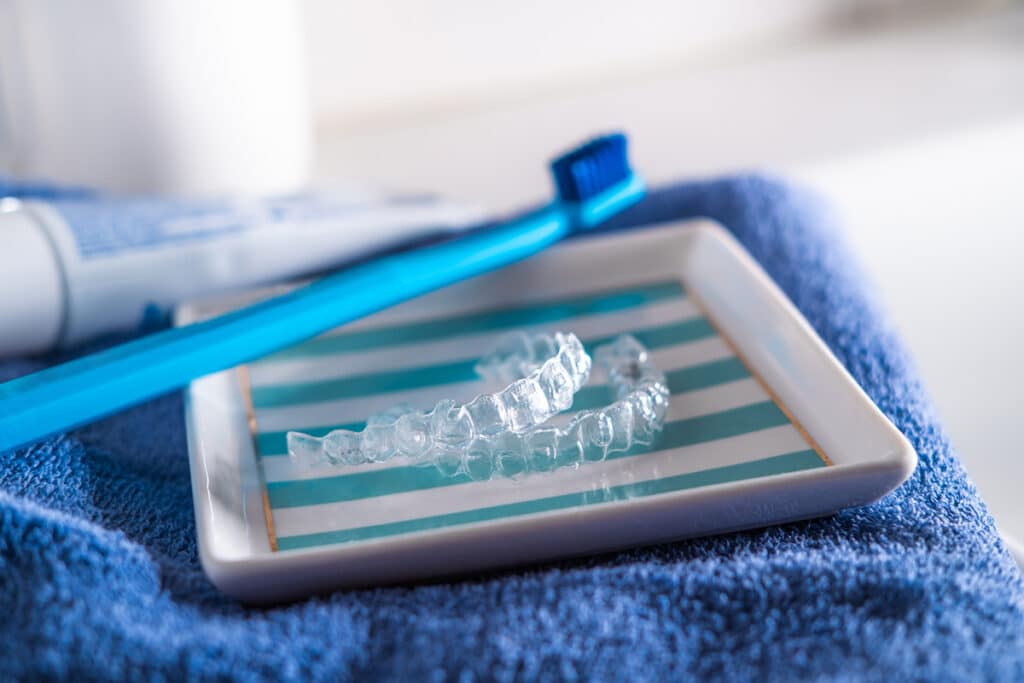
Many patients in Albuquerque come to us dreaming of a straighter, more confident smile, but hesitate over traditional metal braces. Wires, brackets, and dietary restrictions often discourage people from seeking treatment. Fortunately, modern dentistry offers a fantastic alternative that has changed orthodontic care. We regularly talk with patients about a discreet, comfortable, and effective solution that fits easily into a busy lifestyle.
With clear aligner therapy, patients receive one of the most requested cosmetic dental treatments in our practice. This option uses a series of custom-made, transparent plastic trays to shift teeth into their ideal positions. You’ll love how nearly invisible, comfortable, and removable they are, making eating and cleaning simple. However, this treatment doesn’t work for every orthodontic case. To find out if this path suits your smile journey, we need to help you understand what makes a good candidate.
Your Specific Orthodontic Needs
When we evaluate your candidacy for clear aligners, we begin by reviewing your orthodontic concerns. Clear aligners prove very versatile and effectively fix a wide range of mild to moderate alignment problems. We help many patients correct these issues and achieve lasting results thanks to advances in aligner technology.
We usually recommend clear aligners for the following problems:
- Crowded Teeth: When you don’t have enough space in your jaw, your teeth can twist, overlap, or shift.
- Gapped Teeth: If you have unwanted or uneven spaces, clear aligners can help close them.
- Overbites: Your upper front teeth overlap the lower front teeth too much.
- Underbites: Your lower teeth stick out past your upper front teeth.
- Crossbites: Some of your upper teeth sit inside the lower teeth during a bite.
- Open Bites: Your front upper and lower teeth don’t touch when you close your mouth.
Clear aligners work for these situations, but the level of complexity matters. If you have severe rotations, significant bite discrepancies, or need to move a tooth up or down, you’ll likely get better results with traditional braces. During your consultation, we’ll perform a thorough exam, including digital scans and X-rays, to assess your bite and alignment. This hands-on approach lets us determine whether clear aligners will move your teeth as needed and deliver a healthy, stable outcome.
The Importance of Age and Dental Health
Age and oral health play a significant role in whether you’ll succeed with clear aligners. Adults and older teenagers often prefer clear aligners because they want to improve their smiles without the visible look of traditional braces. With younger patients, we ensure that all adult teeth have come in before starting treatment. Since clear aligners use controlled tooth movement, the process works best with fully developed jaws and permanent teeth.
You also need a strong foundation before starting any orthodontic care. We require healthy teeth and gums to handle the gentle, continuous pressure of aligners. Before we make a treatment plan, our team conducts a thorough check-up to identify potential issues that may disrupt your progress or worsen during treatment.
We address the following issues first:
- Cavities: We treat any decay and fill cavities before you begin wearing aligners all day.
- Gum Disease: We treat gingivitis or periodontitis and make sure your gums stay healthy and supportive before moving your teeth.
- Existing Dental Work: We check crowns, bridges, and veneers to confirm they’ll remain in good condition during tooth movement.
Think of this as building your dream house on a rock-solid foundation. We build up your dental health so your straighter smile will last for years to come. Perfecting your oral health marks the first step on your journey to a better smile.
Commitment to the Treatment Process
Clear aligners differ crucially from traditional braces: they require greater personal responsibility. Braces work constantly because brackets and wires stay fixed to your teeth. Clear aligners, on the other hand, let you remove them. You get much more freedom—eat any food and brush or floss without obstacles—but you must commit to following the process.
You need to wear your aligners 20 to 22 hours a day to succeed with treatment. Remove them only to eat, drink anything except water, and clean your teeth. When patients don’t keep up with this routine, they experience delays and unsatisfying results. Aligners only work when you keep them in your mouth, applying gentle, steady pressure. If you skip hours or days, your teeth can also drift backward.
Maintaining daily oral hygiene is just as important. Aligner trays fit tightly over your teeth, and they can trap plaque and food particles. If you want bright, healthy teeth and gums, brush after each meal and before you put your aligners back. Clean both your teeth and the aligners regularly. Patients who stick to these habits and maintain their routine get the best results with clear aligner therapy.
The Path to a Straighter Smile in Albuquerque
Choosing to straighten your smile means investing in your confidence and oral health. Clear aligners give many people a modern, convenient, and highly effective option, but you’ll only succeed if all the right conditions come together. You’ll need to have a treatable orthodontic problem, excellent dental health, and strong follow-through. The best way to find out if you qualify for clear aligners is to get a professional evaluation. We’ll discuss your goals, examine your bite, and walk you through your options.
Frequently Asked Questions About Clear Aligner Therapy
How long does clear aligner treatment typically take?
Treatment length depends on the complexity of your case. Patients who need minor adjustments, such as closing a small gap or correcting slight crowding, can complete treatment in as little as 6 months. For moderate cases, the process usually takes about 12 to 18 months. After we perform a digital scan of your teeth during your consultation, we’ll give you a customized timeline for your journey.
Is treatment with clear aligners painful?
Most people describe clear aligner therapy as mildly uncomfortable rather than painful. You’ll probably feel pressure in the first day or two after switching to a new set of aligners, which usually happens every one to two weeks. This pressure means your aligners work and your teeth move as planned. Most patients manage this discomfort with over-the-counter pain relievers, and it fades quickly as your mouth adjusts. Compared to the wires and brackets of traditional braces, clear aligners create far less irritation for most patients.
At Davis Gribble Hollowwa Dental, we help families and individuals throughout Albuquerque achieve healthy, beautiful smiles with modern dental care. We use the latest technology and a compassionate approach for every patient. If you want to learn more or schedule a visit, please contact us.