

Knocked-Out Tooth? Here’s What to Do Before You Get to the Dentist
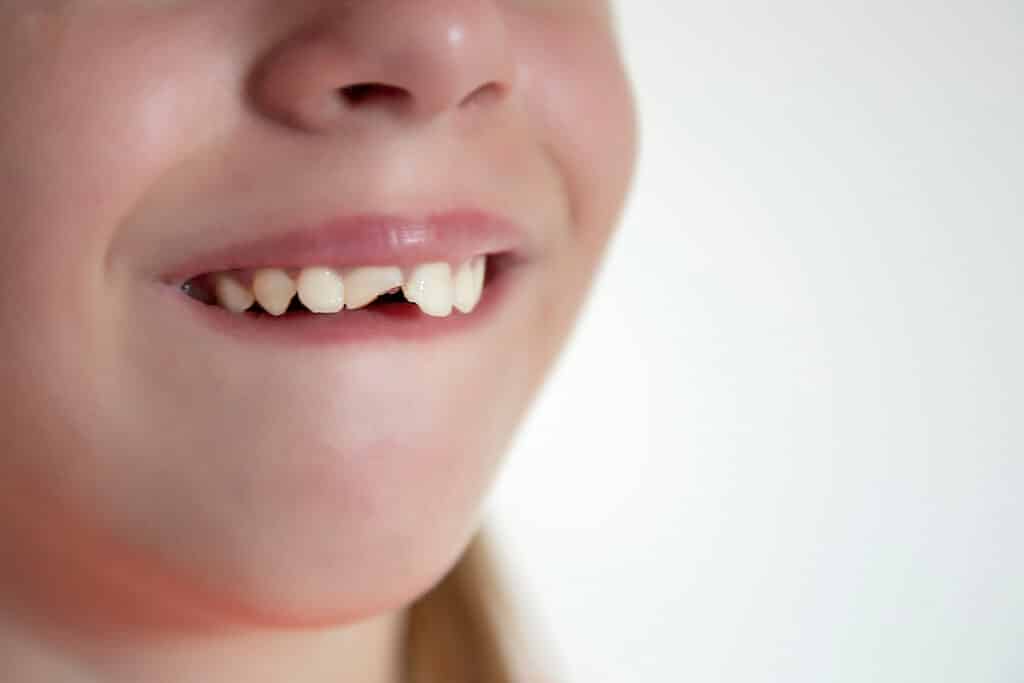
When you lose a tooth unexpectedly, the experience can feel frightening. Whether you face this after a weekend soccer game, a stumble on the sidewalk, or a household accident, the shock of holding a permanent tooth in your hand can feel overwhelming. Time matters most in these situations. When you know how to handle the tooth and take immediate steps, you significantly increase the chances of saving your natural smile rather than needing a replacement.
At Davis Gribble Hollowwa Dental, we realize how stressful these moments become. Our goal is to give you precise, calm instructions so that you can act without hesitation. While we hope you never need these tips, staying prepared helps you respond effectively. We guide you through those first few moments and ensure you get the expert care you need to restore your oral health.
Immediate Action: Handling the Avulsed Tooth
A knocked-out tooth qualifies as an "avulsed" tooth in medical terms. You must handle this tooth carefully in the first moments. The periodontal ligament cells on the root remain extremely delicate. If these cells dry out or get damaged, reattaching the tooth becomes nearly impossible. Your main goal is to keep the root cells moist and undamaged at all times.
First, find the tooth right away. Pick it up by the crown—the white part you typically see in your mouth. Don’t touch the root. The root sits below the gum line and looks yellowish and tapered. If your fingers touch the root, the oils and bacteria on your fingers may damage sensitive cells, making successful reimplantation less likely.
If the tooth appears dirty, rinse it gently with milk or saline solution. If you don’t have these, quickly rinse with water for less than 10 seconds. Don’t scrub the tooth or use soap, alcohol, or any cleaning agents. These substances will instantly destroy the living root cells. Once you’ve rinsed the tooth, try to place it right back into the socket. This might feel uncomfortable, but the socket offers the safest, most natural environment for the root.
Storage Solutions: Keeping the Tooth Viable
Sometimes, putting the tooth back just isn’t possible. You might experience excessive swelling or pain, or feel too shaken to try. If you can’t get the tooth into place, you must keep it moist until you reach our office. Never wrap the tooth in tissue or cloth, as this will dry it out and destroy the root cells.
Store the tooth in one of the following solutions, listed by effectiveness:
- Hank’s Balanced Salt Solution (HBSS): Sports facilities and some first aid kits offer this fluid, designed to preserve cell viability for several hours.
- Cold Milk: Milk works well because it maintains the chemical balance needed by root cells.
- Saliva: If you lack a preservation kit or milk, place the tooth between your cheek and gum—but be careful not to swallow it.
- Saline Solution: Contact lens solution or sterile saline helps in a pinch but offers less protection than milk or HBSS.
- Water (Last Resort): Use only cool water when you have no other options, and get to our office without delay.
By keeping the tooth moist in an appropriate solution, you preserve the chance of reimplantation. Regardless of how you store the tooth, you must visit the dentist at once. Aim for reimplantation within 30 to 60 minutes for the best outcome.
Managing the Injury Site and Pain
While rescuing the tooth is the priority, caring for your mouth matters as well. Knocking out a tooth often causes bleeding and can injure your gums, lips, or tongue. When you address these issues, our team can better care for you.
To stop the bleeding, place sterile gauze or a clean cloth over the empty socket and bite down gently but firmly. Keep this pressure for at least 15 to 20 minutes. If you have replaced the tooth, bite down on the gauze to help keep the tooth stable in the socket. Don’t check the area too often, as disturbing the clot slows healing.
If you notice swelling or pain, apply a cold compress to your cheek near the injured area. This step reduces swelling and briefly numbs the sensation. You may use acetaminophen or ibuprofen for pain relief, unless you have an allergy to either. Don’t use aspirin if you have significant bleeding, as it can increase how much you bleed.
Keep your head above heart level to minimize swelling and throbbing. Stay as calm as possible—an elevated heart rate or anxiety can cause more bleeding. We know this isn’t easy, but calmness helps you respond safely and reach our office when you can. Let someone else drive you there, which is always the safest choice in a dental emergency.
Why Time Is of the Essence
You can’t overestimate the importance of acting fast. Each minute you wait lowers the chances that your tooth will reattach and survive. Dentists call the first 60 minutes after the accident the "golden window."
Get to us in 30 minutes while keeping the tooth moist or reinserted, and your chances of saving the tooth are excellent. After 60 minutes, root cells die off rapidly, making reattachment much less likely. While dentists sometimes reimplant teeth within an hour, both the success rate and the likelihood of long-term survival drop significantly. Problems such as root resorption (where the body breaks down the root) become more likely with every passing minute.
Call us as soon as you lose a permanent tooth. This advance notice allows us to start our emergency protocol, prioritize your care, and prepare for your arrival. We will do everything possible to save your natural tooth.
Understanding the Next Steps and Prognosis
When you arrive, our team will assess your injury, take X-rays to check for bone damage, and examine the tooth closely. If you’ve already put your tooth back, we’ll make sure it sits correctly in the socket. If you bring the tooth and it’s still healthy, we’ll numb the area and place it precisely where it belongs.
We will stabilize the tooth by splinting it to the adjacent teeth with a soft wire or special composite. This splint acts like a cast, giving the ligaments and bone time to heal. We’ll likely keep this splint in place for about two weeks.
After your visit, we’ll provide guidance on aftercare, which usually includes:
- Eating a soft diet to protect the healing tooth.
- Practicing excellent oral hygiene, often with an antibiotic mouth rinse.
- Watch carefully for signs of infection, such as fever or increased swelling.
Even with the best initial care, a knocked-out tooth often needs a root canal. When you lose a tooth, the nerve always gets severed and rarely recovers. Our team will monitor your tooth during follow-up visits to help you decide when, and if, a root canal makes sense.
If we cannot save the tooth, today’s dental technology offers excellent solutions like dental implants or bridges. These replacements closely mimic the look and function of natural teeth. We will guide and support you through every step of the restoration process.
Frequently Asked Questions About Dental Emergencies
What should I do if a knocked-out tooth is a baby tooth?
If your child loses a primary (baby) tooth, avoid putting it back into the socket. Reinserting a baby tooth can affect the underlying permanent tooth. Still, bring your child in for an exam right away. We’ll check for any leftover fragments, evaluate bone health, and ensure the permanent tooth bud remains unharmed.
Can you reattach a chipped or fractured tooth?
In some cases, yes. If you break off a large fragment of your tooth, try to find the piece and store it in milk or saline, just as you would for a whole tooth. Bring it to our office, and we’ll evaluate whether we can bond it back onto the tooth. If we can’t, we’ll repair the area with tooth-colored bonding material or a crown, depending on the severity.
At Davis Gribble Hollowwa Dental, we have served Albuquerque families with compassionate, high-quality dental care since 1980. We provide comprehensive general, cosmetic, and restorative dentistry in a warm, welcoming environment. If you need dental emergency care or wish to schedule a regular visit, please contact us today.