

Bleeding Gums After Brushing: Should You Be Concerned?
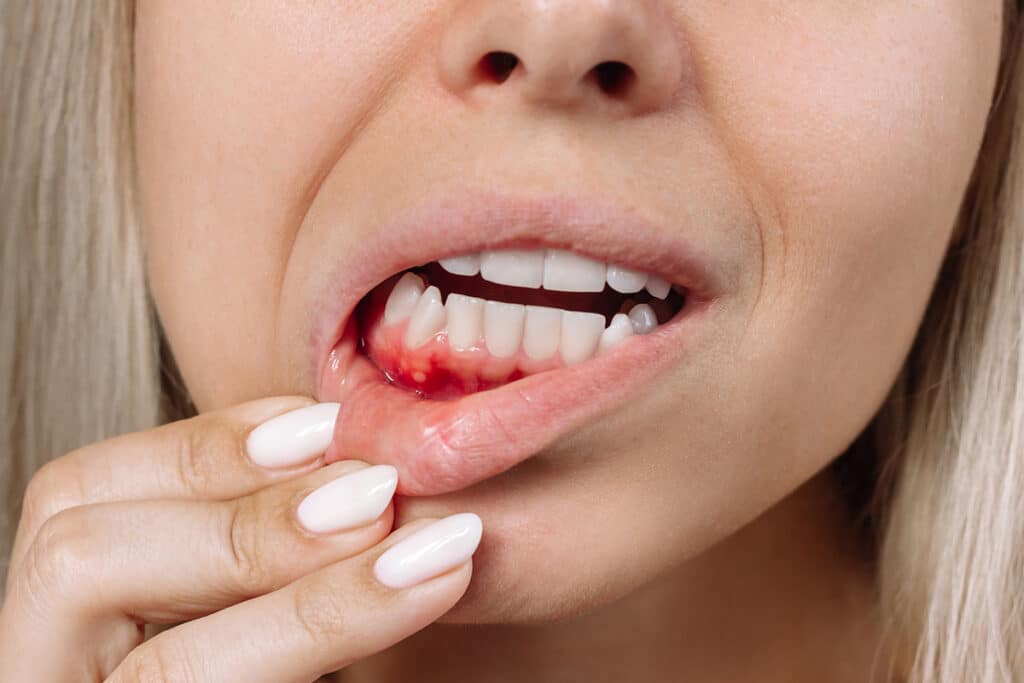
Noticing a little pink in the sink after you brush or floss can be unsettling. Many people experience it from time to time and simply brush it off, assuming they were too aggressive with their toothbrush. While that can sometimes be the case, bleeding gums are often an early warning sign from your body that something isn't quite right with your oral health. You should never ignore this symptom. It's your mouth’s way of signaling inflammation, which is most commonly caused by a buildup of plaque along the gumline.
Think of it like a splinter in your finger. If left alone, the area becomes red, swollen, and tender. Your gums react similarly to plaque bacteria. When these bacteria aren't removed effectively through daily brushing and flossing, they irritate the delicate gum tissue, causing inflammation. This condition is known as gingivitis, the earliest and mildest form of gum disease. The good news is that at this stage, the condition is completely reversible with proper oral hygiene and professional care. However, ignoring the bleeding can allow it to progress to a much more serious condition.
The Journey from Healthy Gums to Gingivitis
Healthy gums are firm, pale pink, and fit snugly around your teeth. They don't bleed when you brush, floss, or eat. The journey from this healthy state to gingivitis begins with plaque. Plaque is a sticky, colorless film of bacteria that constantly forms on our teeth. If this film isn't cleaned away daily, it hardens into tartar, also known as calculus. Tartar is a much rougher, more porous substance that collects even more plaque and bacteria, accelerating irritation. Unlike plaque, tartar cannot be removed with a toothbrush or floss; it requires professional cleaning by a dental professional.
When plaque and tartar accumulate at the gumline, the body’s immune system responds by sending more blood to the area to fight the bacteria. This influx of blood and inflammatory cells is what causes the gums to become red, swollen, and prone to bleeding. This is gingivitis. At this point, you might not feel any pain, which is why bleeding is such a crucial indicator. The primary cause is almost always inadequate oral hygiene, but other factors can contribute, such as hormonal changes during pregnancy, certain medications, smoking, and even nutritional deficiencies. Recognizing these signs early and improving your home care routine can often stop gingivitis in its tracks and restore your gums to full health.
When Bleeding Gums Signal a Deeper Problem: Periodontitis
If gingivitis is left untreated, the inflammation can advance and spread below the gumline, leading to a more severe form of gum disease called periodontitis. This is a serious infection that damages the soft tissue and, without treatment, can destroy the bone that supports your teeth. As the condition progresses, the gums begin to pull away from the teeth, forming spaces called pockets. These pockets become infected and can grow deeper, creating more space for plaque and bacteria to accumulate where your toothbrush can't reach.
This progression marks a critical turning point. While gingivitis is reversible, the damage caused by periodontitis is not. In its effort to fight the chronic bacterial infection, the immune system starts to break down the bone and connective tissue that hold teeth in place. This process can lead to loose teeth and, eventually, tooth loss. The signs of periodontitis are more pronounced than those of gingivitis and can include:
- Persistent bad breath or a bad taste in the mouth
- Gums that have pulled away from the teeth, making the teeth appear longer
- Painful chewing
- New spaces are developing between your teeth
- Changes in the way your teeth fit together when you bite
Catching gum disease at any stage is important, but seeking treatment for periodontitis is essential to prevent further damage and preserve your smile. This issue often requires more intensive treatments beyond a standard cleaning.
Taking Control: Prevention and Treatment for Bleeding Gums
The most effective tool for preventing bleeding gums is a consistent, effective oral hygiene routine. The goal is to disrupt and remove plaque before it can cause inflammation or harden into tartar. This routine starts with brushing your teeth for two minutes, twice a day, using a soft-bristled toothbrush and fluoride toothpaste. It's important to use gentle, circular motions and pay special attention to the gumline, where plaque loves to hide. Aggressive brushing can actually damage gum tissue and cause recession, so gentleness is key.
Flossing daily is just as crucial. A toothbrush can't reach the tight spaces between your teeth and under the gumline, which are prime locations for plaque buildup. Flossing removes food particles and plaque from these areas, preventing irritation that can lead to bleeding. If you find traditional floss difficult to use, options like floss picks, interdental brushes, or a water flosser can be effective alternatives. Paired with regular dental check-ups and cleanings every six months, this routine is your best defense. If bleeding persists despite your best efforts, it's vital to see a dentist. We can identify the underlying cause and, if necessary, provide specialized periodontal care to halt the progression of gum disease and restore your oral health.
Your Path to Healthy Gums Starts Here
Seeing blood when you brush is a clear sign that your gums need more attention. While it can be alarming, it’s also an opportunity to take proactive steps toward better oral health. By understanding the causes—from simple plaque buildup to the more advanced stages of gum disease—you can make informed decisions. A strong home care routine of brushing and flossing is the foundation, but it works best in partnership with professional dental care. Regular check-ups allow us to spot early signs of trouble and provide the necessary cleanings and treatments to keep your gums healthy and your smile bright for years to come. Don't wait for a small problem to become a serious one.
Frequently Asked Questions About Periodontal Care
Is it normal for gums to bleed a little?
No, it is never normal for gums to bleed. Bleeding is a sign of inflammation, which is typically your body's response to plaque bacteria along the gumline. While it may be common, it's an indicator of early-stage gum disease (gingivitis) and should be addressed by improving your oral hygiene and consulting with your dentist.
Can gum disease be cured?
Gingivitis, the earliest stage of gum disease, is completely reversible with a thorough oral hygiene routine and professional cleanings. However, once it progresses to periodontitis, the damage to the supporting bone and tissue is permanent. While periodontitis cannot be "cured" in the traditional sense, its progression can be halted and managed with professional treatment and diligent home care to prevent further damage and tooth loss.
At Davis Gribble Hollowwa Dental, we provide comprehensive and compassionate dental care for families throughout Albuquerque and the surrounding communities. We combine advanced technology with a personal touch to ensure every patient achieves a healthy, beautiful smile. To learn more or to schedule an appointment, please contact us.